Forensic Engineers and Consultants

Archive: Residential

Improper Hearth Extension Leads to Structure Fire

Author

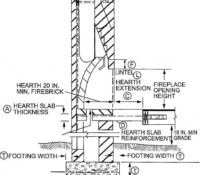
The fire service affords you the opportunity to witness and observe things that a lot of engineers and even most people do not get the chance to see.  An example of this is the situation where extended elevated temperatures combined with poor construction techniques to result in a structure fire.

I have personally observed several occasions where a structure fire was initiated due to improper construction of the fireplace hearth extension.  The most recent one followed a multi-day cold snap, at least by South Carolina standards.  The thermometer read 17 degrees F as I drove to the call of smoke in a residence Read More
Proper Construction and Maintenance Can Prevent Deadly Chimney Fires

Author

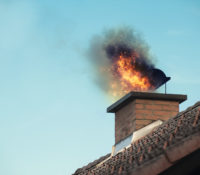
Burning Fireplace

There are few things as comforting to me during the winter months as a warm fire burning in the fireplace.  And in this case, I am talking the real deal, the kind that warms you multiple times; from cutting, splitting and stacking the firewood until finally lighting a fire in the fireplace.  However, just like your parents taught you, fire can be dangerous.  And having an actual fire in your home fireplace comes with some required maintenance to ensure you can safely control the fire and keep it where it belongs. Read More

Heating System Losses, Part One

Author

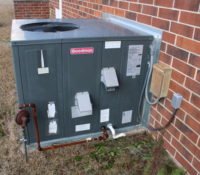
When fall and winter arrive and temperatures drop, it is a great comfort to have a heating system to warm your home or office. Several categories of heating equipment exist to provide both primary and secondary heating. Primary heating systems include fuel gas/fuel oil/electric forced air furnaces, heat pumps, hydronic heating/steam systems and even wood-fired heating systems.  Secondary heating equipment includes electric, gas and kerosene space heaters of both fixed and portable design, and fireplaces. Each of the different types of heating systems have unique hazards that, uncontrolled, can result in fires, explosions, burn injuries, and carbon monoxide poisoning.  Read More

Staying Connected on the Loop: Two by Two’s Mobile Internet Setup

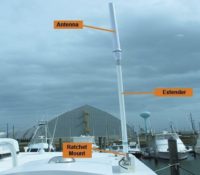
After completing the sit-stand workstation in the guest stateroom of our 47’ Nova Scotia pilothouse trawler, Two by Two, that I reported in a previous blog, I found I needed an internet connection with reasonable speed and reliability.  While almost every marina will give you a password for their WiFi, the quality of most marina connections is unreliable and too slow to effectively work as a forensic engineering consultant. When I tried to download a simple photograph through any type of remote connection to the Irmo, SC office, I could go make a cup of coffee and come back before the download finished.  To upload a group of photographs Read More

Shedding Some Light on Fluorescent Light Fixture Fires

Author

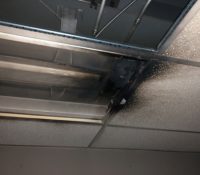
Lighting systems in buildings and other structures have undergone changes over the years.  Many of these changes have occurred as manufacturers have developed more efficient lighting methods.  Lighting loads can represent the largest category of electrical load in many buildings, thus improved lighting efficiency may significantly lower your power bill and can lengthen time between lamp changes. Read More

Testing As Part of Gas Appliance Incident Investigation

Author

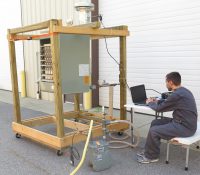
Equipment and appliances supplied with fuel gases like natural gas, propane and butane are a common and convenient part of most of our lives.  Such devices as gas grills and ranges, ovens, furnaces, space heaters and water heaters usually perform without incident.  However, when they malfunction the potential for incidents such as fires and explosions, carbon monoxide (CO) poisoning and burn injuries may occur. These incidents may be due to design and manufacturing defects in the product, or improper installation or operation of the device.

Read More

Not Your Father’s House Fire

Remember the good old days when our homes were built with only lumber, dry-wall, and roofing?   Me neither.  However, we talk about ‘modern’ construction materials like this is a new phenomenon.  The truth is ‘modern’ construction materials started sneaking into homes over fifty years ago.  It’s not only construction materials that have changed: a century ago, we furnished our houses with wood, cloth, metal, and glass. Today, it’s plastics, foams, and coatings.

Read More

Testing…testing… Is this thing on?

Author

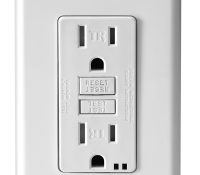
Many people just take for granted that something is just going to work, and in many cases assume that it will work forever.  One such device that does not get enough attention is the Ground Fault Circuit Interrupter (GFCI).   Simply put, a GFCI is a protective device that compares the current flowing on the hot and neutral wires of the circuit and will “trip” to disconnect power to the circuit if a small imbalance of current is detected.  The imbalance of current is an indication of a dangerous alternate path for the current to flow from a damaged line cord or a fault inside an appliance and constitutes a shock hazard to a person. Read More

Ready, Set, Fly! – Understanding Another Technology for Forensic Investigations

Author

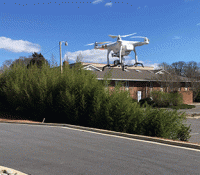
This is the first blog in a series on integrating new technologies into the process of forensic investigations.  Documenting the scene of an incident accurately, efficiently, and safely is a key step in every investigation.  Busy roadways and unstable structures present hazards to the investigator during the investigation process. The use of remote sensors can reduce these risks and provide data that otherwise could not safely be obtained. Read More

Chemical Engineers: More than Glorified Plumbers – Really!

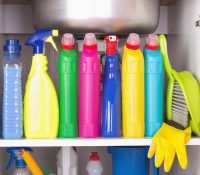
As a senior at Virginia Tech, I was told that ChemE’s were little more than glorified plumbers.  Looking back, I’m pretty sure it was to keep our geek-egos in check. It was an effective tool! However, as I grew and traveled as a professional, it became an effective descriptor; applying to a larger scale and using a modifier or two for specific applications.  So, if you have a loss that falls into one of the categories below, a ChemE could be the expert you need. Read More

Type ofLoss

Not sure what you're looking for?
Browse All

Select Loss Category