

Author Warren Team
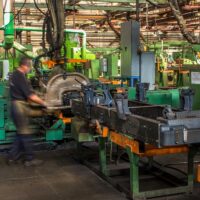
As we all know, change is a part of life. Sometimes the results from change are good. And we know sometimes change may result in things becoming worse, although it may not be immediately evident. I think it is safe to say that when we intentionally make changes to something, our goal is to make it better with respect to one or more metrics. Engineers working in manufacturing facilities are often asked to make changes to existing machines and processes for multiple reasons: to make it more productive, more reliable, more quiet, or possibly more safe. Typically, the ultimate goal is to make the machine better in one or more ways. Let’s take a closer look at the responsibilities and guidelines that design engineers and/or machine modifiers must be aware of and follow from a machine safety perspective, but unfortunately sometimes overlook.
Let us assume that an existing machine that has been productive and safely used for years to manufacture widgets needs to be modified in order to make a new and improved widget. The user’s proposed modifications require a redesign of some of the machine’s material handling components, perimeter guarding access, and product loading points. A few small changes must also be made to the software program that controls how the machine functions and moves when an operator unloads the finished widgets. Once the modifications have been completed, it is practically impossible for the casual observer to notice that any changes have even been made to the machine. When the new modifications are tested, the machine is found to successfully produce the new and improved widgets and everyone is happy. Now, on to the next project!
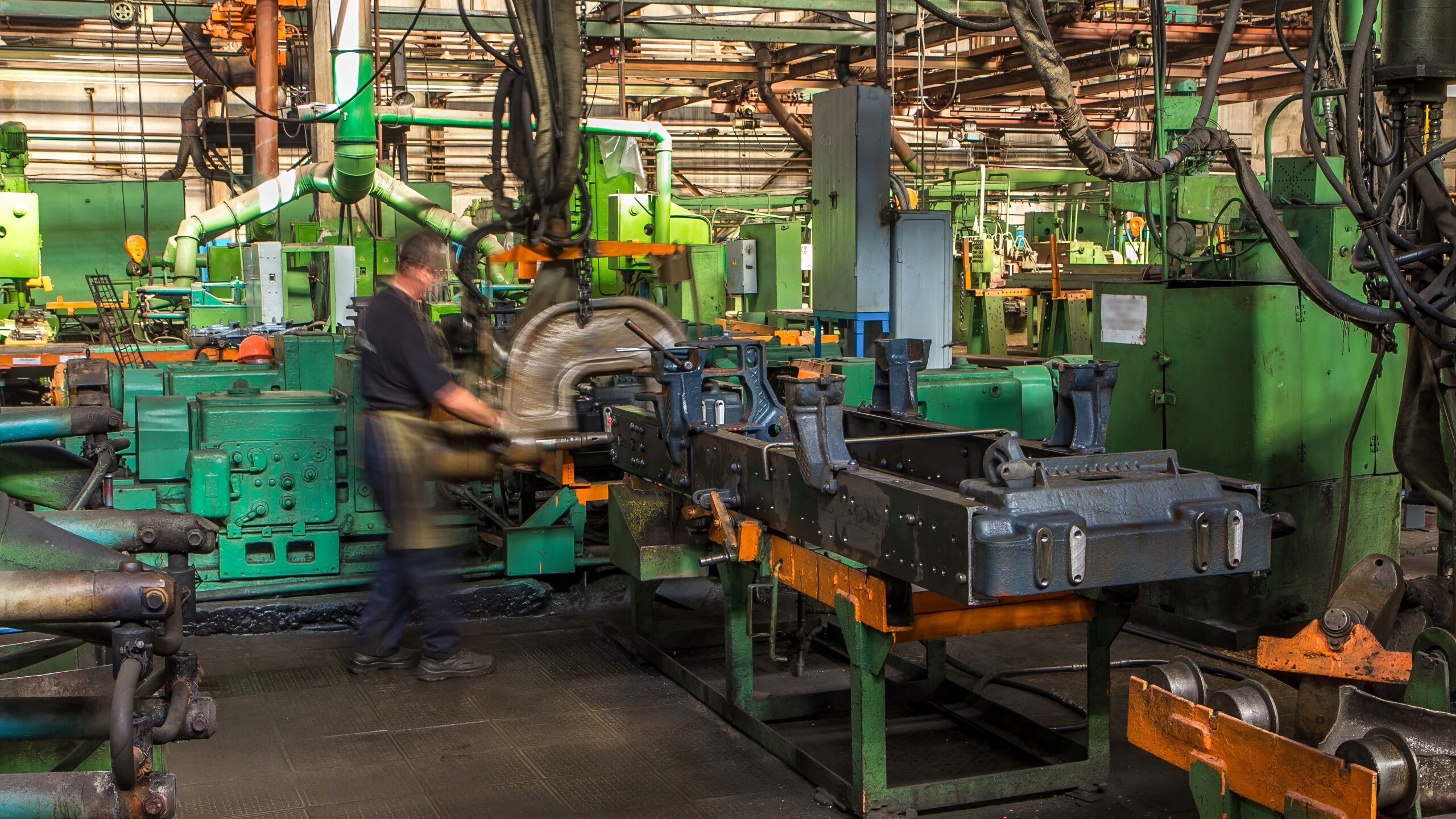
But wait! Is there anything else required or expected of the machine modifier? When the original machine was designed, manufactured, and delivered, it was known to satisfy all the appropriate and necessary safety requirements. The control system was properly designed and supplied with reliable, quality components. A documented risk assessment was provided by the machine supplier to show that hazards had been identified and eliminated, or the residual risks from them had been reduced to an acceptable level. A manual with instructions for safely installing, operating, maintaining, and cleaning the machine was provided to the purchaser and user of the machine. All of that is great, but the bottom line is that original widget machine does not exist anymore…it has been changed. Because of this, it must be determined whether or not the way in which an operator, a mechanic, or a cleaner is required to interact with the machine has also changed….even in a small way.
A good place to look for guidelines and requirements is the consensus American National Standard ANSI B11.0, Safety of Machinery. The scope of this standard:
“…applies to new, existing, modified or rebuilt power driven machines…that are used to process materials by cutting; forming; pressure; electrical, thermal or optical techniques; lamination, or a combination of these processes. This includes associated equipment used to transfer material or tooling, including fixtures, to assemble/disassemble, to inspect or test, or to package. The associated equipment, including logic controller(s) and associated software or logic together with the machine actuators and sensors, are considered a part of the industrial machinery.”
ANSI B11.0 defines modification as a “change to the machine or machinery system that alters its original purpose, function, capacity, operation or safeguarding requirements”. A modifier is defined as “any supplier that changes the original purpose, function or capacity of the machine or machinery system by design or construction. Under certain circumstances (i.e., while acting as a builder, modifier, integrator), the user becomes the supplier.”
The scope of ANSI B11.0 clearly includes machines and associated equipment that have been modified from their original condition, or even possibly from a previously modified condition. It points out that it is possible for a machine modifier to assume the role of a machine supplier, which would then require the modifier to be aware of and satisfy certain requirements such as those presented in the ANSI B11.0 machine safety standard. If a machine’s intended use, tasks performed on it, its hardware or software have been modified, a risk assessment is required to be performed and documented by the modifier. The risk assessment process must identify any hazards present, ensure that the modifications made did not introduce new or additional hazards on the machine, and then ensure that the risks from those hazards are eliminated or reduced to an acceptable level. ANSI B11.0 also recommends that machine modifiers communicate with the original machine suppliers, if practicable, regarding any proposed modifications that may alter or impact its safe operation. Additional machine safety standards such as ANSI B11.19 (Performance Requirements for Risk Reduction Measures: Safeguarding and other Means of Reducing Risk) and ANSI B11.20 (Safety Requirements for the Integration of Machinery into a System) also provide guidelines and requirements that machine modifiers and integrators should be familiar with and which may also be applicable with respect to their machines and any modification(s) made or being considered. And of course, machine owners must always make sure that their machines, equipment and processes comply with OSHA requirements such as those presented in OSHA CFR 1910.212 which specifically covers machine guarding.
When investigating an injury to someone that occurred while working on a machine, many factors must be taken into consideration and analyzed. Was the machine properly installed and maintained? Was it being used in a reasonably foreseeable way? If it is determined that there were one or more defects present in the machine or its associated equipment that contributed to the injury, that does not necessarily mean that the original machine supplier is fully or partially responsible. The possibility that the machine was modified from its original condition by the owner/user or an integrator hired by the owner/user cannot be overlooked.
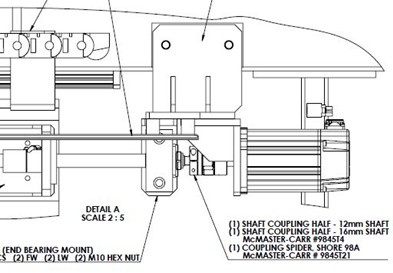
A review of the original engineering package can help identify modifications that have been made to an existing machine.
It is vitally important that someone who is familiar with and understands machines, industrial equipment, manufacturing processes, machine specifications, and machine drawings perform an inspection of the subject machine. Information obtained from the inspection and review of documentation provided should help in determining if the machine has been altered in any way from its original condition. If it is found that the machine has been modified, it must then be determined if the identified modification(s) caused or contributed to the injury, and whether the machine modifier satisfied the requirements of applicable machine safety standards and regulations.
If you are in need of an investigation in an injury case involving a machine that may have been altered or modified in some way, please contact one of our experienced mechanical engineering experts at Warren.
Founded in 1997, The Warren Group, forensic engineers and consultants provides technical investigations and analysis of personal injury and property claims as well as expert testimony for insurance adjusters and attorneys. Extremely well versed in the disciplines of mechanical, electrical, chemical, structural, accident reconstruction and fire and explosion investigation, our engineers and consultants are known for delivering the truth — origin, cause, responsibility and cost of an event or claim — with unmistakable clarity.
