Forensic Engineers and Consultants

Archive: Machinery and Equipment

Jury Claims Swamp Cooler is Not Defective; Interlocked Guards are Not Required

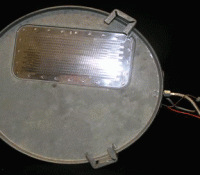
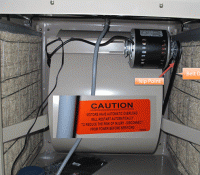
An evaporative cooler, also known as a “swamp cooler”, is an air conditioner that works by evaporating water.   A float valve keeps several inches of water in the bottom of the unit. A pump takes water from the pan to the top of a series of vertical pads made of absorbent materials like wood fibers. The water flows by gravity through the fiber pads. A fan pulls hot air from outside the house through the soaked pads. Water in the pads evaporates, cooling the air and increasing its humidity. The cooled and humidified air is blown back into the house. Evaporative coolers need to be cleaned periodically. Read More
Hand and Finger Injuries from a Defective Snow Blower

Author

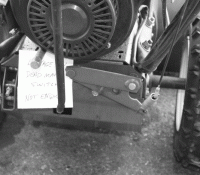
Nearly everyone who lives in a snowy climate would agree that a gas powered snow blower beats a person powered snow shovel for clearing the sidewalk or driveway.  Shoveling heavy, wet snow causes injuries from back problems to heart attacks.  No wonder that gas powered snow blowers of all sizes are a popular item this time of year.  The larger ones may be ride-on types; smaller ones are typically walk-behind.  In either case there is an auger to gather the snow as the device moves forward and a bladed fan (or “blower”) to discharge it out of a chute to one side or the other.  Read More

Winter Safety Tips for Portable Electric Generators

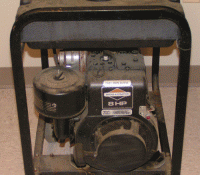
During winter ice storms, power to residences is often lost and homeowners revert to using gasoline powered portable electric generators.  It is often thought by some homeowners that leaving a generator outside in the severe weather may damage it or affect its performance and therefore resort to bringing the unit inside the shelter, typically, the garage. This is particularly hazardous when the generator is run for an extended period of time as carbon monoxide (CO) poisoning from the toxic exhaust gas can cause death. In addition, other hazards including electric shock, electrocution, fire and burns potentially can occur. Read More

Preventing Fugitive Vapor Explosion with Design

For years, many water heater-related fires, injuries, property damage claims, and deaths were attributed to “consumer misbehavior.” By 2002, however, the NFPA National Fuel Gas Code began to reflect several key realizations: the existence of fugitive vapors and how appliance design can limit the risks they pose. Read More

Type ofLoss

Not sure what you're looking for?
Browse All

Select Loss Category