Forensic Engineers and Consultants

Archive: Fires and Explosions

Stay in Control: Manipulation of Electrical Controls Can Lead to Fires and Explosions

Author

We have a saying at Warren, “When we go to work on a new case, usually someone else has had a very bad day.” If you are a plant manager at a factory, you know it’s a bad day when you hear the fire alarm or a loud explosion emanating from the back of the plant. Read More
Fire Losses Involving Improper Construction and Installation of Fireplaces and Chimneys

Author

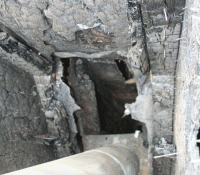
On a cold winters night a family is gathered in the living room of their home enjoying the warmth of their fireplace.  After using the fireplace all day, they go off to bed to a nice restful sleep.  However, they are soon rudely waked by the sound of a smoke alarm in the home.  Rushing out into the cold night they can see smoke, but no flame in the home.  Outside, they can see that the chase around the fireplace chimney is burning.  The fire department is called and thankfully extinguishes the fire before it does widespread damage, however the family must leave the home for several months as repairs are made. Read More

Winter Safety Tips for Portable Electric Generators

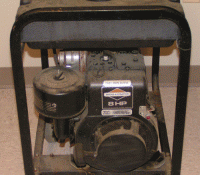
During winter ice storms, power to residences is often lost and homeowners revert to using gasoline powered portable electric generators.  It is often thought by some homeowners that leaving a generator outside in the severe weather may damage it or affect its performance and therefore resort to bringing the unit inside the shelter, typically, the garage. This is particularly hazardous when the generator is run for an extended period of time as carbon monoxide (CO) poisoning from the toxic exhaust gas can cause death. In addition, other hazards including electric shock, electrocution, fire and burns potentially can occur. Read More

Preventing Fugitive Vapor Explosion with Design

For years, many water heater-related fires, injuries, property damage claims, and deaths were attributed to “consumer misbehavior.” By 2002, however, the NFPA National Fuel Gas Code began to reflect several key realizations: the existence of fugitive vapors and how appliance design can limit the risks they pose. Read More

Code Violations Are Root of Fatal Explosion

The design and installation of gas piping systems in homes and commercial buildings is guided by a set of regulations called NFPA 54 — the National Fuel Gas Code. The code, which establishes minimum safety requirements, is also used by forensic engineers to evaluate an explosion to determine cause and responsibility. Read More

Type ofLoss

Not sure what you're looking for?
Browse All

Select Loss Category