

Author Chad Jones

In conversations with both friends and people I have met through emergency calls with the fire department, I often observed that a lot of people never give a second thought to that little lifesaver mounted on the ceiling or the wall of their home. That little lifesaver is the smoke detector.
On average, a fire department responded to a fire somewhere in the United States every 23 seconds in 2024. A civilian was fatally injured in a fire every two hours and 14 minutes based on a 2025 report by Shelby Hall published for the National Fire Protection Association (NFPA).
Although the basic technology for one type of smoke detector was invented over 100 years ago, smoke detectors did not become common until innovations in the design brought the price down to a level that more homeowners could afford. The affordability combined with documents such as The Life Safety Code, otherwise known as NFPA 101, which required smoke alarms in every home in the 1970’s led to an increase in the installation of these lifesaving devices.
What difference have smoke detectors made since their adoption by both the regulatory agencies in the United States and as fixtures in the modern home? A 2024 report published by Tucker McGree for the NFPA provides some sobering statistics. The basis of the data for this report are the National Fire Incident Reporting System (NFIRS) and the NFPA’s annual fire department survey.
The death rate per 1,000 home structure fires is approximately 60 percent lower in homes with working smoke detectors than in homes with no smoke detectors or smoke detectors that did not operate.
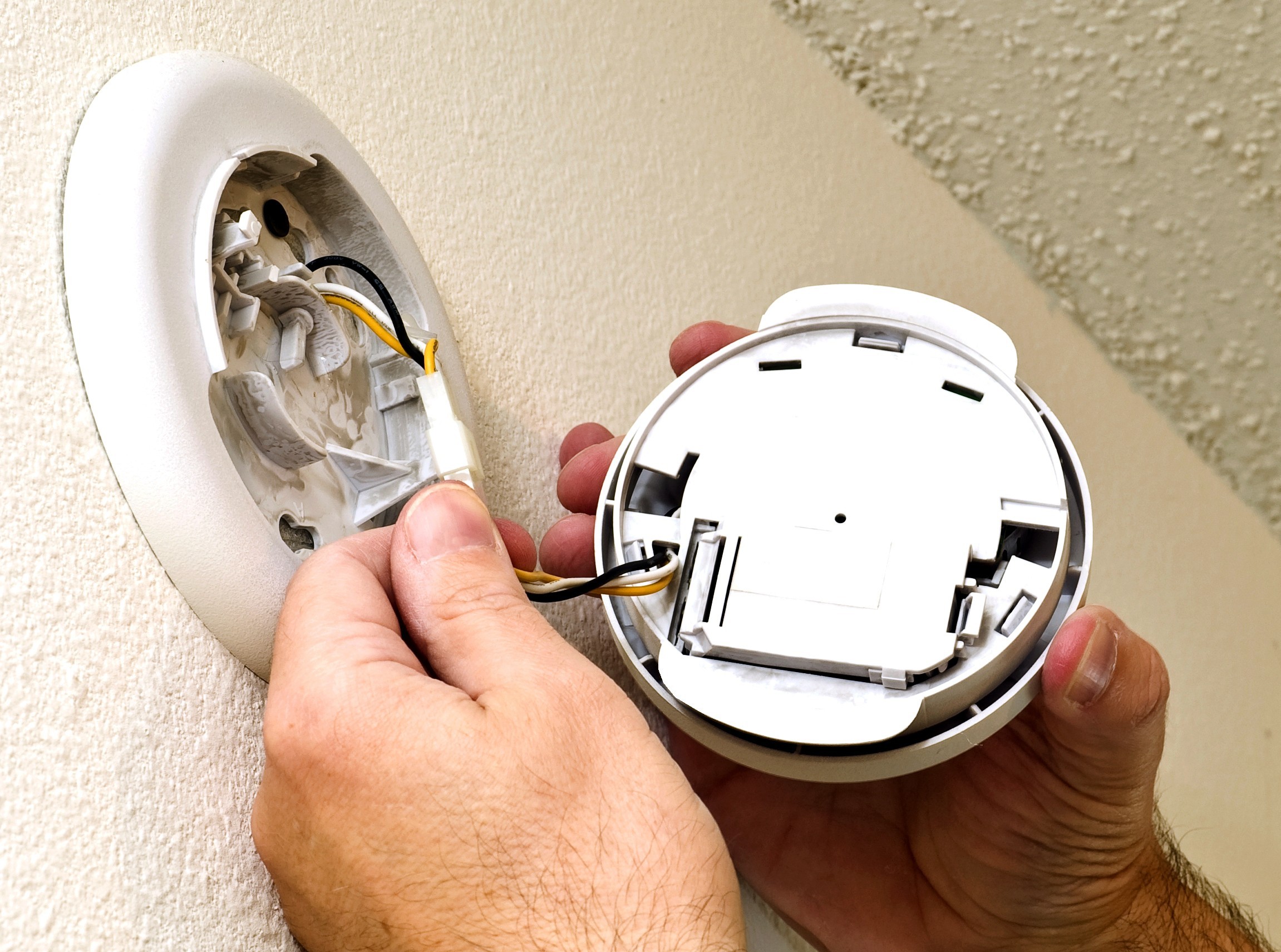
Hardwired smoke alarm
Approximately 66% of the fatal injuries from structure fires in homes with smoke detectors occurred in properties with detectors that were battery powered only. The study notes that when present, hardwired smoke detectors operated successfully in 94% of fires large enough to trigger a smoke alarm, while battery-only alarms operated 85% of the time. The common reason smoke detectors did not operate were nonfunctioning power sources. This includes disconnected wiring on hard-wired smoke detectors and missing, disconnected or dead batteries on battery-only detectors
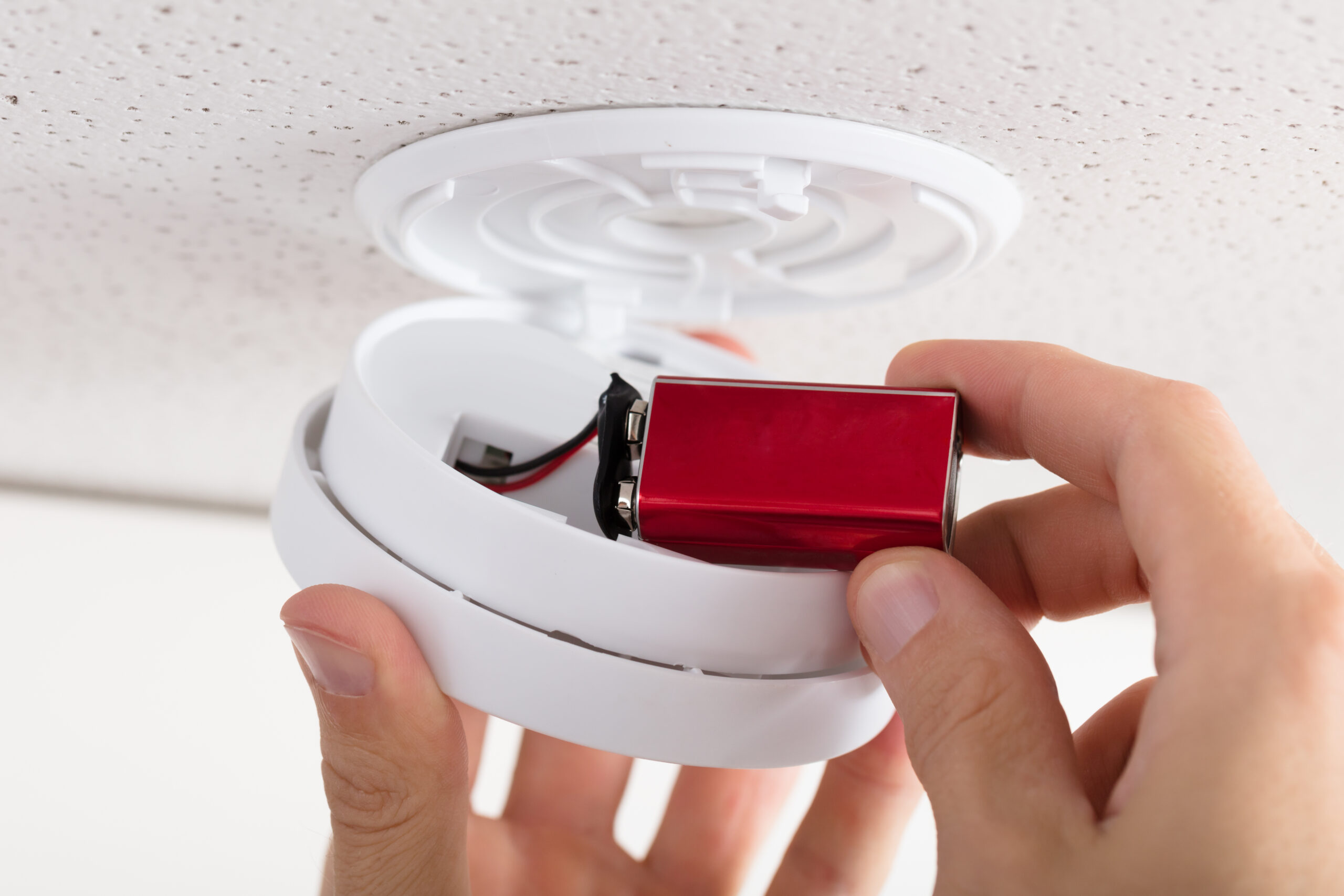
Battery powered smoke alarm
Your chances of living through a fire are considerably better if you have a working smoke detector in your home. There are programs available through the fire service in some areas that will provide a smoke detector that the local fire department will install free of charge. Contact your local fire department to see if this program is available in your area. Non-functioning or missing smoke detectors are a condition that just should not be occurring in the modern United States yet still happens.
As compared to residential fires with no smoke alarms or automatic extinguishing systems present, the death rate per 1,000 reported fires was as follows:
-30 percent lower when battery powered smoke alarms were present.
-50 percent lower when smoke alarms with any power source were present.
-67 percent lower when hardwired smoke alarms were present.
–71 percent lower when hardwired alarms with a battery backup were present.
As a standout statistic, the death rate per 1,000 reported fires was 90% lower when a smoke alarm was present in addition to the presence of an automatic extinguishing system such as a residential sprinkler system. A 90% reduction in fatalities when combined with working smoke detectors adds some credibility to the recent push for residential sprinklers that some organizations have championed. The full reports cited in this summary can be viewed at: www.nfpa.org/education-and-research/research/.
Smoke detectors, silently watching over you, really are lifesavers. When is the last time you tested your smoke detector? It could save your life one day.
Chad Jones, PE, CFEI, CVFI, CMSE has a Bachelor of Science in Mechanical Engineering from Clemson University. Chad has over 30 years of engineering experience including mechanical, process, and manufacturing engineering. This work has included equipment design, machine safeguarding, cost estimating and safety compliance. Chad also has over 15 years of commercial, industrial, and residential HVAC and plumbing design experience. A lifelong auto and motorcycle enthusiast, Chad is accomplished in the maintenance, repair, and modification of vehicles and engines. Chad is a Certified Fire and Explosion Investigator, Certified Vehicle Fire Investigator, and IFSAC certified Firefighter II in Greenwood County, South Carolina.
