Forensic Engineers and Consultants

Archive: Residential

The Condensate System – An Important Item in Routine HVAC Maintenance

Author

HVAC systems are almost everywhere in the United States now.  As a life-long resident of the humid south that grew up in a home without central air conditioning; I definitely appreciate the ability of a well-designed and maintained HVAC system to remove the oppressive summer humidity.

The very humidity that makes your clothes damp with sweat and hastened the invention of cooled leather seats in automobiles also has another route to create havoc…condensate.

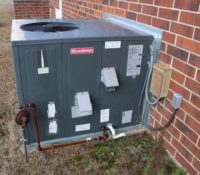
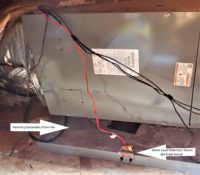
In order for an HVAC or “air-conditioning system” to reduce the humidity in the air of your home or office it must first cool the air down to a point where the air can no longer keep the moisture in suspension as water vapor.  The moisture must condense… creating condensate.  This is what is happening when your cool beverage of choice “sweats” on the exterior of the container in the humid summer. Now that you have liquid water, as opposed to water vapor, this condensate must be directed out of your conditioned space to prevent water damage due to backed up or leaking condensate. Read More
In a Flash – The Transfer of Energies in Our Global Electrical System

Author

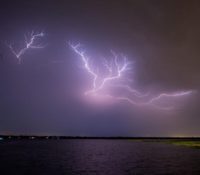
According to published weather data for the year 2019, 2.35 billion lightning strikes were recorded across the world, with 223 million of these in the United States.  The movement of atmosphere causes electrical charges to build up between clouds.  A tipping point is reached where the insulating properties of the air cannot withstand the level of energy and a discharge occurs.

Image Credit: Charleston Post and Courier. A lightning strike over Charleston, SC on July 3, 2019.

Read More

Congratulations Tom Kelly on CESCP Certification!

Author

Congratulations to Tom Kelly for completing his Certified Electrical Safety Compliance Professional designation. The National Fire Protection Agency (NFPA) program, CESCP, is designed to meet the needs of electrical and safety professionals who oversee electrical safety programs or who manage electricians and other personnel exposed to electrical hazards.

Read More

Improper Hearth Extension Leads to Structure Fire

Author

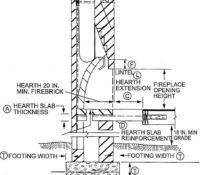
The fire service affords you the opportunity to witness and observe things that a lot of engineers and even most people do not get the chance to see.  An example of this is the situation where extended elevated temperatures combined with poor construction techniques to result in a structure fire.

I have personally observed several occasions where a structure fire was initiated due to improper construction of the fireplace hearth extension.  The most recent one followed a multi-day cold snap, at least by South Carolina standards.  The thermometer read 17 degrees F as I drove to the call of smoke in a residence Read More

Major Causes of Wood Truss Failures

Author

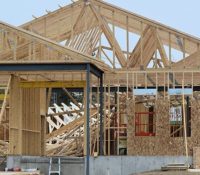
Wood truss failures can vary and identifying the cause requires visual inspection as well as a working knowledge of the structural loads and building codes. These truss systems must transfer the gravity and lateral loads to the foundations. Consequently, the framing system and the foundation provide strength and stability for a structure. The most common type of wood-framed construction uses roof trusses, exterior and interior load-bearing walls, beams, girders, posts, and floor framing to resist the gravity and vertical loads. This type of wood-framed construction engages a system of horizontal diaphragms (roof and floors) and shear walls (vertical exterior sheathed walls) to resist the lateral loads. Read More

Residential Structure Fires

Author

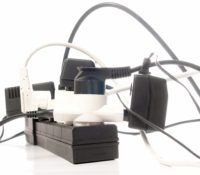
The winter season is well underway in the United States, with the Christmas and New Years holidays behind us and the depths of cold weather here for the duration.  With winter, many people spend more hours indoors as compared to the summer when outdoor activities ramp up.  With more time spent indoors, it is somewhat intuitive that the use of electricity would increase as well.

Electricity is one of the most influential utilities in our daily life.  Much of what modern societies rely on to get through a normal day requires electricity.  Have you ever been in a slight panic looking for an electric outlet when your cell phone is below 10% charge?  Or how many times do we all attempt to turn on a light switch when we enter a room during a known power outage from sheer habit?  Even our personal transportation which has relied on gasoline for roughly 100 years is shifting toward electric automobiles. Read More

Heating System Losses, Part One

Author

When fall and winter arrive and temperatures drop, it is a great comfort to have a heating system to warm your home or office. Several categories of heating equipment exist to provide both primary and secondary heating. Primary heating systems include fuel gas/fuel oil/electric forced air furnaces, heat pumps, hydronic heating/steam systems and even wood-fired heating systems.  Secondary heating equipment includes electric, gas and kerosene space heaters of both fixed and portable design, and fireplaces. Each of the different types of heating systems have unique hazards that, uncontrolled, can result in fires, explosions, burn injuries, and carbon monoxide poisoning.  Read More

What You May Not Know About Using a Concrete Test Hammer

Author

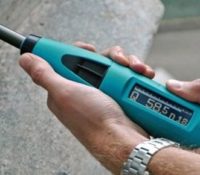
When assessing potential problems in concrete structures, consider a non-destructive test using the concrete test hammer, AKA “rebound hammer,” before investing a lot of time and money needlessly replacing or destructively testing the concrete structure.  The use of rebound hammer tests should be considered before you or your client decide to drill multiple core samples. Large areas of the concrete structure suspected of having potential strength problems can be tested quickly with a rebound hammer.  Analysis of those results can narrow down specific areas for more rigorous testing. Read More

The Demise of Insulation on Electrical Wiring

Author

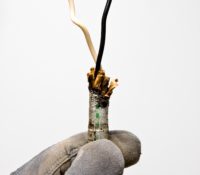
Unlike fine wines and some types of cheeses, not everything ages well.  Such is the case with the materials used as insulation of electrical wiring.  While the copper metal used as the conductor in many wire types will last virtually forever, the cladding used to protect and insulate the wire allowing electrons to flow to their final destination does not. Read More

What’s Behind That CE Mark Part Three, Machine Guard Requirements

Author

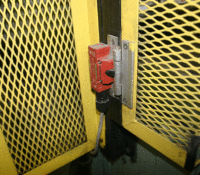
In the first blog in this series, we discussed the story behind the CE mark, the Machinery Directive, and the associated requirements regarding the design, production, and sale of machinery bearing the mark. The second blog discussed a cornerstone of safer machine design, the risk assessment. This installment will discuss another crucial piece of the safety puzzle, machine guard design. Read More

Type ofLoss

Not sure what you're looking for?
Browse All

Select Loss Category