Forensic Engineers and Consultants

blog

Stop or I’ll Soot!!!

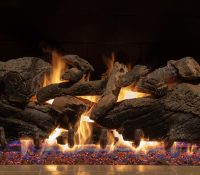
Fire. Something about fire touches our brainstems…both good and bad!  Uncontrolled fire is terrifying and deadly to be sure.  But the controlled burning of wood at a campfire or in a fireplace in your home almost can’t be beat, to my mind! For that very reason, a fairly common amenity to houses nowadays is the gas log fireplace insert.

When not installed properly, these logs will generate soot. These soot particles can leave the fireplace and meander.  All. Over. Your. House.  Read More

The End of Daylight-Saving Time Leads to More Vehicle and Pedestrian Collisions

Author

Daylight saving (DST) ends on November 2, 2025, and with it the clocks will “fall back” an hour.  While it is nice to gain an hour of sleep, the end of daylight-saving time also comes with a increase of vehicle crashes, injuries, and pedestrian fatalities. This phenomenon prompts the question: What is so dangerous about being a pedestrian at night? Read More

KEEP the CHANGE?

Author

As we all know, change is a part of life.  Sometimes the results from change are good.  And we know sometimes change may result in things becoming worse, although it may not be immediately evident.  I think it is safe to say that when we intentionally make changes to something, our goal is to make it better with respect to one or more metrics.  Engineers working in manufacturing facilities are often asked to make changes to existing machines and processes for multiple reasons: Read More

Structure Fires in Eating and Drinking Establishments

Author

Eating and drinking establishments see an average of 7,410 structure fires per year based on a 2017 report published by the National Fire Protection Association (NFPA). The report analyzed available data from the U.S. Fire Administration’s National Fire Incident Reporting System (NFIRS) and the NFPA’s annual fire department survey for the years 2010-2014.

Read More

Spontaneous Combustion…Is it hot in here or is it just me???

In the old-timey Fire Triangle, you have heat, fuel, and oxygen.  Get these three together in the right quantities, and you get fire.  What if the fuel provides its own heat?  That’s spontaneous combustion, or spontaneous ignition.  NFPA921 defines this as “initiation of combustion of a material by an internal chemical or biological reaction that has produced sufficient heat to ignite the material.” Read More

Hidden Heat: The Unseen Hazard of a High Resistance Connection

Author

A typical residence can have upwards of 10,000 feet of electrical conductors installed, most of which are buried in the walls, attics and crawlspaces.  A commercial building can have 100,000 to upwards of 1 million feet of electrical conductors.  At each device such as a switch or a receptacle are at least three, and typically six or more connections of these conductors within a junction box.  The connections can be in the form of twisted connectors, screw terminals, push in terminals and crimped connectors.

Read More

The Middle Car Blues

Author

Maybe you, a loved one, or even a client, have been in the unfortunate position, no pun intended, of being the creamy center in a three-car wreck. Odds are high that you have not, but those odds are also equally high that if you have, you will be shown as one of the contributors to the collision. In other words, the wreck will likely be your fault-and possibly the fault of the person behind you as well. Sure, the wreck could be the fault of the middle and third cars… that wreck would look something like this; Read More

The Alphabet Soup of Expert Certifications

When consulting as an expert witness, having certifications can assist in establishing your credibility and qualifications.  If you’ve perused the Curriculum Vitaes of the experts at The Warren Group, Inc., you may have seen some of these letters trailing after our names.  What do they mean and what organizations grant them?  The following is a sampling of some of the certifications our experts have acquired: Read More

Waterpark Woes

Author

On July 12, 2024, a family entered the local water park to cool down. The family consisted of a mother and her two sons. While walking toward the wave pool area, the mother stepped off the wooden stairs and onto the surrounding concrete landing. As she did so, she slipped on a puddle of water that had accumulated on the surface. She fell backward, landing on her left side and striking her elbow and the back of her head against the stairs—effectively ending the family’s outing before it began. Read More

Water Removal In Windows and Doors – Part 3: Sill Risers

Author

Welcome back to my multi-part series about water resistance in windows and doors. Last time we discussed weatherstripping. Today, we move on to a product common to sliding doors and coastal areas – sill risers.

Sill risers offer a brute force way to reduce water infiltration when a LOT of water is expected to hit a fenestration product. Unlike weathersealing, buried drainage, or weep systems, sill risers block water by providing a dam. Coastal homes with wind driven rain frequently have sill risers. They are practical and require less maintenance than weep holes or buried drainage systems, plus Read More

Type ofLoss

Not sure what you're looking for?
Browse All

Select Loss Category