

Author Warren Team

Construction defect investigations rarely fit neatly into a single engineering discipline. A water intrusion issue may involve the building envelope, roofing, windows, structural components, or mechanical systems. A failure that appears structural may have its origins in design, installation, materials, or an adjacent building system. And when plumbing, HVAC, electrical, or equipment issues enter the picture, understanding the interaction between systems can be critical to determining what happened and why.
At The Warren Group, a multidisciplinary approach brings together engineers with different areas of expertise to investigate these complex questions. Our team consists of Claire Benedict, PE; Brian Tenace, PE, FMPC®; Chad E. Jones, PE, CMSE; and Tom Kelly, MSEE, PE. They offer complementary experience that helps Warren evaluate construction-related losses from multiple disciplines.

Claire Benedict, PE: Structural and Building-Envelope Expertise
Claire Benedict brings more than a decade of civil and structural engineering experience to The Warren Group. Her background includes building design, building components, and foundation systems analysis, making her particularly well suited to investigations involving the structure and physical components of a building. She earned her Bachelor of Science in Civil Engineering from Purdue University.
At The Warren Group, Claire focuses on determining the root cause of structural and construction-related failures and evaluating the resulting damage. Her representative assignments include construction-defect and code-compliance evaluations, building-envelope and water-intrusion investigations, foundation movement and settlement, roof and structural-system damage, and repair and retrofit evaluations.
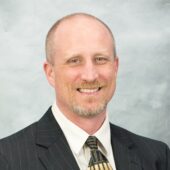 Brian Tenace, MSME, PE, FMPC®, CFEI: A Mechanical Perspective on Construction Defects
Brian Tenace adds extensive mechanical design, manufacturing, and failure-analysis experience to Warren’s construction-defect capabilities. A licensed Professional Engineer with a Master of Science in Mechanical Engineering from the University of Florida, Brian has more than 15 years of experience in manufacturing and machine design. He also holds a FenestrationMaster® Professional Certification.
Brian’s background is particularly valuable when an investigation involves windows, doors, water infiltration, machinery, or components whose performance depends on proper design and installation. During his career as a design engineer, he helped establish production lines for windows and designed hardware, spill-containment vessels, extrusions, dies, and molds. His work has included root-cause analysis involving fatigue, weld and corrosion failures, as well as testing for impact, water-infiltration resistance, and other performance characteristics.
 Chad E. Jones, PE, CFEI, CVFI, CMSE: Mechanical Systems, & HVAC
Chad Jones brings more than 25 years of engineering experience spanning mechanical, process, and manufacturing engineering. A Clemson University mechanical engineering graduate, Chad is a licensed Professional Engineer, Certified Fire and Explosion Investigator, and Certified Machinery Safety Expert.
His experience includes machine and piping design, machine safeguarding, HVAC system design, cost estimating, and safety compliance. He also has extensive experience with commercial, industrial, and residential HVAC and plumbing systems. These are areas that can be central to construction-related investigations.
 Tom Kelly, MSEE, PE, CFEI, CESCP: Electrical Systems and Building Performance
Tom Kelly brings more than 25 years of electrical engineering experience to The Warren Group. He holds bachelor’s and master’s degrees in electrical engineering from Florida Atlantic University as well as an MBA from Winthrop University. He is a licensed Professional Engineer in numerous states, a Certified Fire and Explosion Investigator, and a Certified Electrical Safety Compliance Professional.
His background also includes large-facility management, giving him a broad understanding of building-envelope performance, lighting systems, low- and medium-voltage electrical distribution, automated production controls, emergency and standby power, and other critical building infrastructure. When a construction-related investigation involves electrical systems or requires an understanding of how multiple building systems operate together, Tom’s electrical engineering perspective can add an important dimension to the analysis.
One Team, Multiple Engineering Perspectives
The value of a multidisciplinary forensic engineering team is that construction defects don’t always respect the boundaries between engineering disciplines.
A building-envelope problem may lead to water intrusion. Water intrusion may affect structural components or electrical systems. An HVAC installation may contribute to moisture problems. A plumbing failure may cause extensive property damage. A question about a construction component may ultimately require an understanding of design, manufacturing, installation, applicable codes, and expected performance.
A successful construction-defect investigation is about more than documenting what failed. The goal is to understand why it failed, determine the extent of the resulting damage, and provide an engineering analysis grounded in evidence.
That means looking beyond the visible symptoms, whether it is a crack, leak, failed component, damaged system, or electrical problem. You need an expert to examine design, materials, installation, performance, maintenance, codes and standards, and the interactions between building systems.
With a team that brings structural, mechanical, fenestration, HVAC, plumbing, and electrical expertise to the table, The Warren Group is equipped to approach construction-related investigations from multiple angles.
Learn more about The Warren Group and its team of forensic engineers at warrenforensics.com.
