Forensic Engineers and Consultants

Archive: Residential

Testing As Part of Gas Appliance Incident Investigation

Author

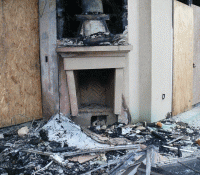
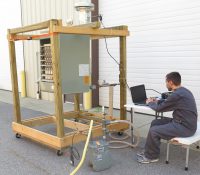
Equipment and appliances supplied with fuel gases like natural gas, propane and butane are a common and convenient part of most of our lives.  Such devices as gas grills and ranges, ovens, furnaces, space heaters and water heaters usually perform without incident.  However, when they malfunction the potential for incidents such as fires and explosions, carbon monoxide (CO) poisoning and burn injuries may occur. These incidents may be due to design and manufacturing defects in the product, or improper installation or operation of the device.
Read More

Danger Lurking in the Hot Tub

Author

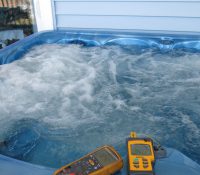
Several dangers involving the use of a hot tub (spa) may readily come to mind, such as the risk of shock or electrocution, or the risk of drowning for unsupervised young children.  Not so readily apparent is the effect of overheating the human body, or “hyperthermia”.

Some individuals are more susceptible to the effects of hyperthermia, including the elderly, young children, and those in poor health.  The effects of hyperthermia, or overheating of the human body, cause direct responses such as headache, nausea, heat exhaustion, increased cardiac output, lethargy, confusion, heat stroke and unconsciousness.  The onset of hyperthermia is defined as being at 99.5° F; if the body temperature reaches 104° F, a life-threatening medical emergency exists.  Read More

Testing…testing… Is this thing on?

Author

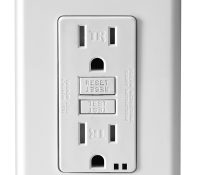
Many people just take for granted that something is just going to work, and in many cases assume that it will work forever.  One such device that does not get enough attention is the Ground Fault Circuit Interrupter (GFCI).   Simply put, a GFCI is a protective device that compares the current flowing on the hot and neutral wires of the circuit and will “trip” to disconnect power to the circuit if a small imbalance of current is detected.  The imbalance of current is an indication of a dangerous alternate path for the current to flow from a damaged line cord or a fault inside an appliance and constitutes a shock hazard to a person. Read More

Water Damage from Leaking Shower Stalls

Author

Have you ever had to have a leaking shower pan for a tiled shower stall replaced, only to have a recurrence a few years later? If so, it is likely that it was not properly built and/or repaired. In most installations, the shower stall is constructed with an underlying one-piece flexible membrane of PVC that is attached to the wall studs before the backer board and wall tile is installed. No nails or screws should penetrate the membrane below the level of the curb of the shower stall. The only opening in the membrane below the curb must be the hole for the shower drain to connect to the house plumbing. The shower drain is designed to allow water on top of the membrane to flow into the drain via weep holes for that purpose. Read More

Ready, Set, Fly! – Understanding Another Technology for Forensic Investigations

Author

This is the first blog in a series on integrating new technologies into the process of forensic investigations.  Documenting the scene of an incident accurately, efficiently, and safely is a key step in every investigation.  Busy roadways and unstable structures present hazards to the investigator during the investigation process. The use of remote sensors can reduce these risks and provide data that otherwise could not safely be obtained. Read More

Should I Trust My Nail Gun?

Author

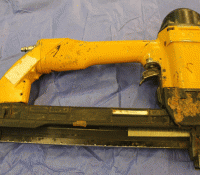
Can you imagine framing a house with the tools of our forefathers, using hand saws and hammers, rather than power saws and pneumatic nail guns? Power tools have made the job much easier and faster, that even the amateur is well equipped for this kind of work. Read More

Graphitic Corrosion – Difficult to determine before a failure!

Author

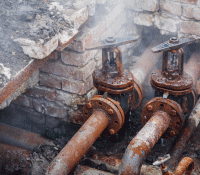
Graphitic corrosion is a process that may happen in equipment made of iron, particularly grey cast iron, but also ductile cast iron. Graphitic corrosion can lead to unexpected catastrophic failure of the affected part because the cast iron can lose its strength without a visible warning such as a change in size, shape, or appearance. Read More

The Impact of Technology on Slip and Fall Incidents

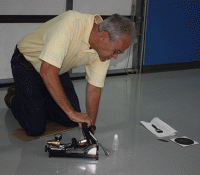
I have investigated hundreds of slip and fall incidents in my career. Today, we have new tools and technology available to assist investigators in conducting forensic investigations to determine the cause or causes of these incidents and to assist owners and operators in loss preventions efforts to minimize the potential of slip and fall incidents. Read More

Grounding versus Bonding – Understanding the Difference in Building Electrical Systems

Author

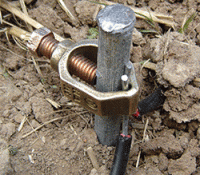
While a teenager might be very familiar with being “grounded”, there is confusion over the meaning of the word in the electrical sense. In building electrical systems, “grounding” and “bonding” are two terms that are often misunderstood. Improper application of the concepts of grounding and bonding may create lethal shock and fire hazards. “Earthing” is a term which comes from the European International Electrotechnical Committee (IEC). Earthing is synonymous with grounding but often thought to have a different meaning. Read More

Improper Fireplace Construction: Testing the Impact of Non-Compliant Clearance to Combustibles

Author

As the weather turns cold, many people use fireplaces to provide supplemental heat. The warmth from a fireplace is a comfort and the aesthetics of a glowing fire are a pleasure.  However, there is nothing pleasurable about a residential house fire that results from an improperly built or used fireplace or chimney. Read More

Type ofLoss

Not sure what you're looking for?
Browse All

Select Loss Category