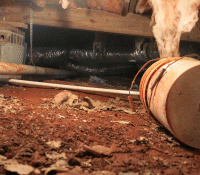
The wet, relatively warm weather recently experienced in the southeast has caused a high incidence of mold and other fungal growth complaints in homes and other structures. Engineers at Warren are often called upon to investigate the cause(s) of these problems. Read More
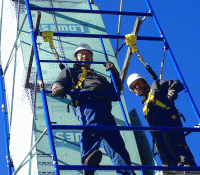
Periodically, Warren Engineers and Consultants are asked to perform inspections that require work at raised elevations. Typical jobs and tasks include climbing on commercial and residential roofs with steep pitches, working on scaffolding, climbing from one level to the next at a fire or industrial loss scene, riding in the buckets of lift equipment, and inspecting exterior structural elements such as windows and masonry. Read More
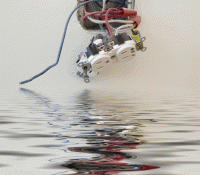
As a result of the recent weather, those of us in South Carolina have gained a renewed appreciation of the damage that can result from flooding. Even a few inches of flood water can result in property damage and a loss of services in addition to the immediate risk of physical harm. Read More
This is the third and final of three articles concerning the basics of air conditioning systems. This article concerns the evaporator, a part of the air conditioning system that is usually unseen inside the air handling unit. The evaporator, in concert with a fan, supplies cool air to a building interior. Read More
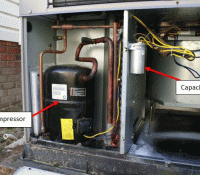
The condensing unit is a key component of all vapor compression air conditioning systems. We are all familiar with condensing units as the noisy exterior portions of air conditioning systems that blow hot air to the environment. Read More
Pressurized cylinders filled with various gases are very common, from the propane fuel tank under your barbeque grill to acetylene for welding to fluorine for production of many common products. A leak from almost any of these can cause damage or significant losses, from a fire to physical injury, or asphyxiation.
Owner protection against losses and injury can range from nothing to significant, such as storage in ventilated closets or gas detection alarms. In one case the regulator valve on a small CO2 cylinder used in a bar to pressurize beer kegs broke off. The cylinder rocketed around the bar room, causing at least one serious injury. Read More
An evaporative cooler, also known as a “swamp cooler”, is an air conditioner that works by evaporating water. A float valve keeps several inches of water in the bottom of the unit. A pump takes water from the pan to the top of a series of vertical pads made of absorbent materials like wood fibers. The water flows by gravity through the fiber pads. A fan pulls hot air from outside the house through the soaked pads. Water in the pads evaporates, cooling the air and increasing its humidity. The cooled and humidified air is blown back into the house. Evaporative coolers need to be cleaned periodically. Read More
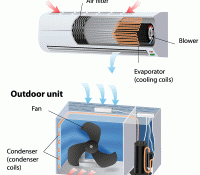
Air conditioning systems are everywhere in our lives – at home, in our vehicles, at work, in manufacturing facilities – yet most people give them little thought other than setting a comfortable temperature until they stop working or malfunction in some other way. Read More
The North American Deck and Railing Association (NADRA) recognizes the month of May as Deck Safety Month®. This is the time of the year to get serious and take the necessary steps to safeguard your deck so that it is enjoyable not only for your family, but your friends and any visitors. The NADRA has a deck safety program and they just released a video in an effort to save lives and prevent injuries and to protect your family and friends. Read More
As an experienced safety consultant, I have investigated many incidents in which a worker falls through an opening. The majority of these types of fall incidents have occurred at construction sites and most resulted in a serious injury or death. Read More