Forensic Engineers and Consultants

blog

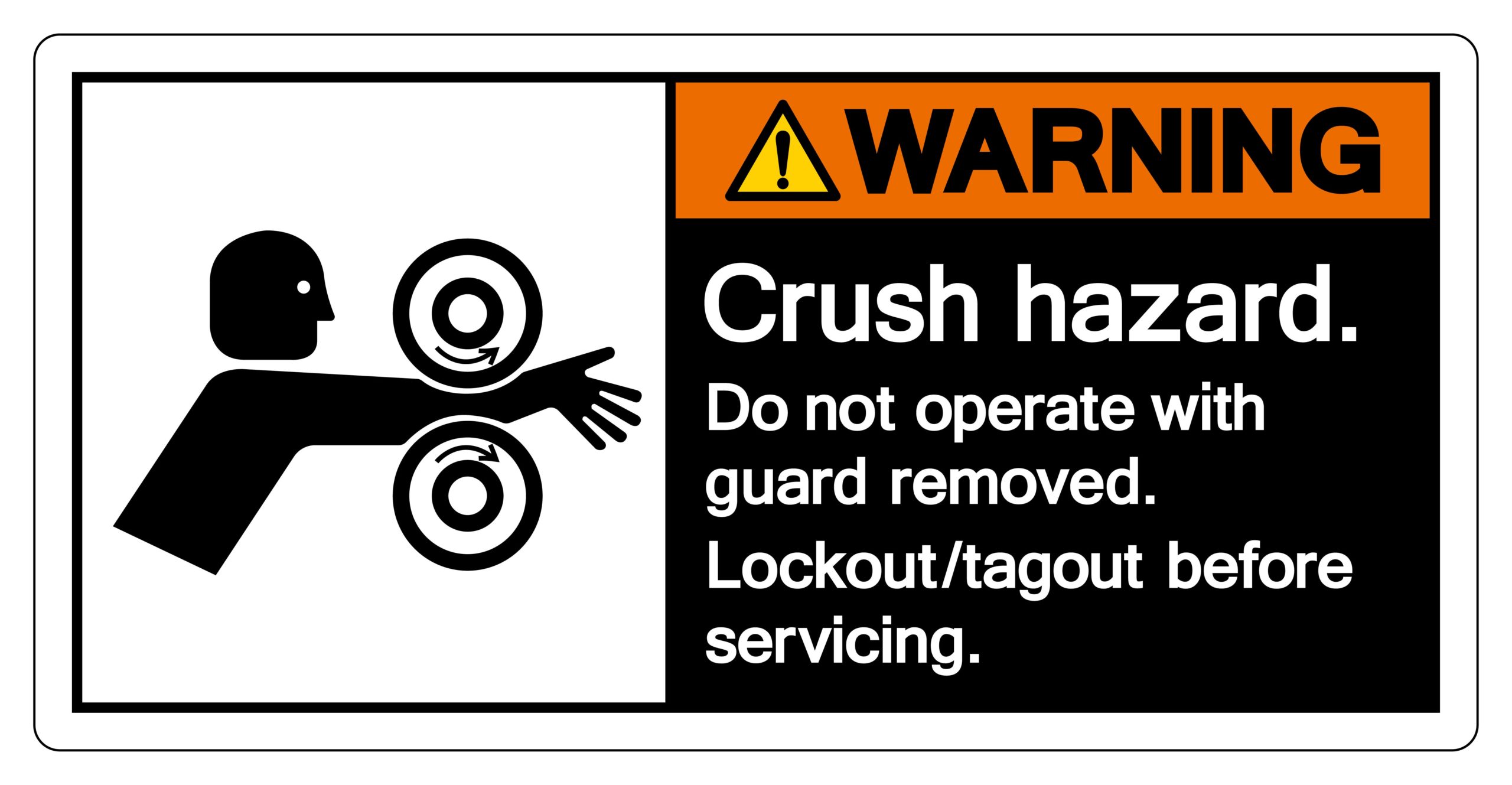
Danger Within Reach

Author

How far away from a hazard should you stay?  Your parents or grandparents would probably have told you to stay far away, but what are you to do when a hazard is present, and you must work around or near the hazard?  And what exactly is a hazard?  ISO 12100 Safety of machinery – General principles for design – Risk assessment and risk reduction defines a hazard as a “potential source of harm.

Where would a designer of a machine or product start if they wished to protect the user from a known hazard?  Consensus standards are a great place to begin the quest for safety. Read More

The Vehicle (EDR)

Author

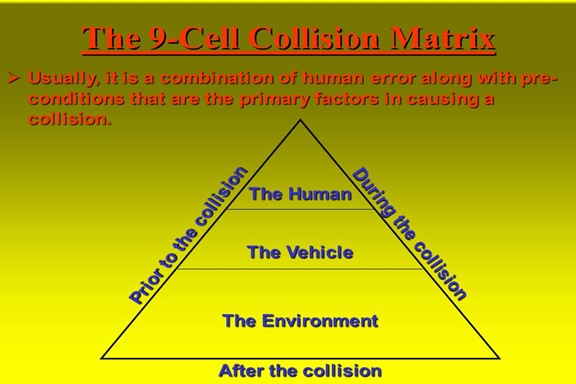
In a previous blog post, we began to delve a little deeper into the vehicle aspect of the 9-Cell Collision Matrix by taking a look at tires. Let’s now take a closer look at the very diverse and interesting topic of Event Data Recorder (EDR) data. Read More

Improperly Used Space Heaters Can Be Dangerous

Author

As the temperature outside slides from the cold to the “bitter” cold range on the thermometer, most people tend to turn the heat on inside their home. Some homes, however, do not have whole house heat or sufficient heating capacity and therefore the occupants  may rely on portable space heaters. Portable space heaters, used properly, can be a good choice to warm a small area of a home. Unfortunately, while they can warm your cold and tingling hands and feet, they can also warm nearby materials to the point of ignition. Read More

If There is a Human, There are Human Factors

Author

If there is a human involved in the case, there is a good chance that human factors theories and principles will be applicable. Human factors is the study of people interacting with their surrounding environment. A human factors expert applies their knowledge of human capabilities and limitations to each unique case to assess the physical, sensory, and cognitive factors that caused a person to behave a certain way within the surrounding environment.

Consider the following situations in which a human factors expert would be beneficial: Read More

Scared of Water, or Prefer to Get Drenched? Fire Suppression with Preaction and Deluge Systems

Author

In the two previous blogs, we first discussed wet sprinkler systems (Wet), the most basic and most common fire system type followed by dry sprinkler systems (Dry), which are a bit more complicated.  Ratcheting up another level, in this last edition on sprinkler systems, let’s take a look together at preaction and deluge systems.  These can be complex and variable, so we’ll operate at the 30,000 ft level. Read More

The Vehicle – Tires

Author

In a previous blog post, I gave an overall introduction to the 9-Cell Collision Matrix as an investigative tool used in collision reconstruction. Now let’s focus in a little at each element.

They are called car wrecks, after all…so let’s start with a more comprehensive look at the vehicle component of the matrix.  This review of the vehicle before, during, and after the collision will highlight a few important factors but is not meant to be all-inclusive.  So, let’s get started! Read More

Everybody Has A Part to Play – What’s Your Role?

Across industry and construction sites, there are times when employees of different employers are working side by side, or at least on the same site at the same time.  Some industry examples are when chemical plants have contractors on-site for routine maintenance or during process shutdowns for major overhauls or repairs. OSHA refers to these as multi-employer worksites.  In December of 1999, they revised their citation policy which allows for more than one employer at a worksite to be cited for conditions that violate OSHA standards. Read More

When a DRY Fire Sprinkler System Leaves You Soaked

Author

In the previous blog , I discussed the most basic and most common fire system type: wet sprinkler systems. The possible failure areas discussed with wet systems will also apply to dry sprinkler systems (control valves closed, obstructions, issues in the system, installation, or deficiencies with inspection, testing, and maintenance). Dry systems are even more prone to obstructions than wet systems, so close attention should be paid to that possibility. Read More

WARREN Welcomes Human Factors Consultant Ellen Szubski, Ph.D.

Author

Please join us in welcoming Human Factors Expert Ellen Szubski, Ph.D, to the WARREN family!


Ellen’s Areas of Expertise Include:

  • Human Factors & Safety
  • Illumination Evaluation
  • OSHA Regulations
  • Premises Liability
  • Slips, trips, and falls
  • Workplace injuries
  • Vehicle/Pedestrian/Bicycle Crash Investigation

Read More

HEY…Cover Up Please!

Author

Machine guards can be compared to the clothes we wear every day.  Indeed, they serve a very important purpose.  Imagine someone leaving their home on a fine, sunny morning wearing nothing but a smile.  Wonder how far they will get through the day before things start going poorly for this individual?


There will be more than a few raised eyebrows and blushes when he stops into the local Starbucks for his usual morning double-dipped and whipped, chocolaty chip with a touch of pumpkin spice cappuccino fix.  Good luck with that!  Probably going to leave disappointed, empty-handed, and likely wearing handcuffs.  This will be the beginning of a very long, very bad day for that individual.  Had he recognized the risks associated with this type of behavior, and then put forth a little effort to cover up, he would have prevented many unfavorable and possibly life-changing personal and legal problems from ever occurring!

And so it is with properly guarding a machine.  Machine safeguarding helps to protect workers from preventable injuries. Read More

Type ofLoss

Not sure what you're looking for?
Browse All

Select Loss Category